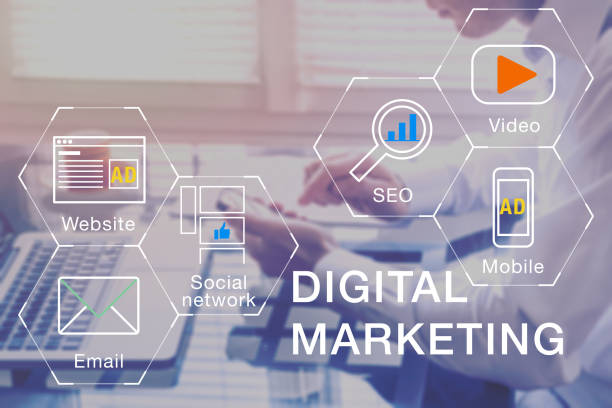
To succeed in today’s competitive company environment, one must be fluent in digital marketing strategies, since the digital landscape is always changing. One great approach to get up to speed on the ever-changing world of digital marketing is to enroll in a relevant course. The question is, what will you learn in a class like this? An extensive overview of the core concepts taught in an average digital marketing course is presented here.
1. An Overview of Online Advertising
The majority of digital marketing courses begin with an introductory section that defines the term and explains its significance. This course will teach you all about digital marketing, from its origins to its present state, as well as its advantages over more conventional forms of advertising.
2. Search Engine Optimization
Comprehensive instruction on how to raise a website’s profile in SERPs. Search engine optimization (SEO) courses talk about the newest algorithms used by Google and other search engines, as well as keyword research, on-page and off-page optimization, technical SEO, and more. You will get knowledge on how to improve a website’s visibility in search engines by modifying its content and structure.
3. Promotion of Written Works
Plans for making and sharing high-quality material. In this part, we will look at how the material may draw in and hold the attention of viewers. Blogs, videos, infographics, and e-books are just a few of the content forms that you will learn about, along with strategy formulation, content curation, and content creation in general.
4. Using Social Media for Advertising
Ways to advertise wares and services on social networking sites. Facebook, Instagram, Twitter, LinkedIn, and TikTok are just a few of the social media sites that you will learn how to use for marketing. Learning algorithms, making interesting posts, promoting them, and evaluating their results are all part of this.
5. Ads that require a user to click on a link
Information on paid search and social media advertising tactics. Learn the ins and outs of pay-per-click (PPC) ad campaigns with these modules. Topics covered include keyword bidding, ad copywriting, targeting tactics, and the significance of ROI measurement.
6. Promoting via Email
Guidelines for creating and overseeing email marketing programs. The basics of email marketing are covered here, including how to establish a list, how to segment it, how to automate it, and how to write engaging content for emails. Subjects covered also include general data protection legislation (GDPR) and the CAN-SPAM Act.
7. Analyzing and Making Sense of Data
Standards for the evaluation of digital advertising campaigns. In most cases, students will learn how to utilize Google Analytics and similar tools to monitor and evaluate things like website traffic, user activity, and the efficacy of marketing campaigns. In this course, you will find out how to analyze marketing data for better results.
8. Advertising on Smartphones
The module’s emphasis on app marketing, SMS marketing, and mobile-friendly website design is in response to the widespread use of smartphones. Effectively reaching and engaging mobile users is something you’ll learn how to do.
9. Affiliate Programs
Methods for increasing revenue through the strategic use of partnerships with third parties.
The process of creating and overseeing affiliate programs is detailed in this section. In this course, you will find out how to locate and collaborate with affiliates, as well as how to monitor and improve your affiliate marketing campaigns.
10. Planning and Strategy for Digital Marketing
Digital marketing plan creation is a common course capstone. In this course, you will find out how to organize your digital marketing efforts, create a budget, and define targets.
In Sum:
You may learn all you need to know about Internet marketing by enrolling in a digital marketing course. Create successful digital marketing strategies by learning everything from search engine optimization (SEO), content marketing (CM), social media marketing (SMM), and pay-per-click (PPC) advertising. You may perfect your methods for maximum effectiveness by learning analytics and how to evaluate data. A digital marketing course provides the knowledge and skills necessary to succeed in today’s technology-driven business environment, whether your goal is to launch a new company, advance in your current position, or just increase the effectiveness of your present marketing campaigns.

 Information Tech Course